Review: Paper with Graph and Formulas Embroidery Design
As an embroidery designer who spends hours analyzing stitch paths, fabric behavior, and market trends, I am always looking for designs that bridge the gap between academic precision and seasonal charm. Recently, I reviewed a machine embroidery design titled Paper with Graph and Formulas. At first glance, it might seem strictly utilitarian—a tool for students or academics. However, when viewed through the lens of holiday product creation, this design reveals itself as a versatile asset for seasonal embroidery collections. It captures a mood that is both nostalgic and modern, making it an unexpected but powerful choice for handmade gift makers and Etsy sellers preparing for back-to-school, graduation, and even winter holiday seasons.
First Impressions: The Mood and Aesthetic
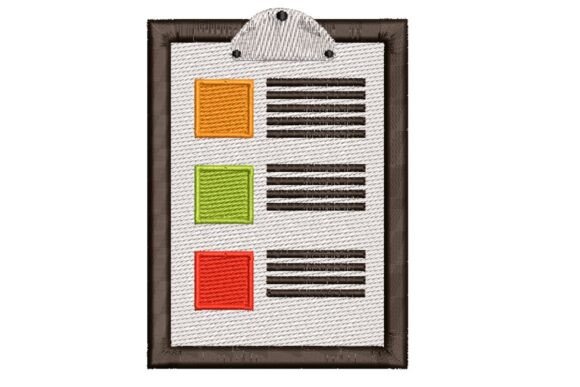
The immediate visual impact of Paper with Graph and Formulas is one of structured elegance. Unlike typical festive motifs like snowflakes or pumpkins, this design relies on the clean lines of data paper, the intrigue of numerical entries, and the complexity of mathematical formulas. For a professional reviewing this file, the detail level is high, offering a sophisticated texture that translates well into thread. The aesthetic feels modern, elegant, and slightly nostalgic, evoking the feeling of a quiet study session or a dedicated workspace.
This emotional tone is crucial for holiday selling. During the fall and winter months, shoppers are often looking for items that feel cozy yet intellectual. This design appeals to the "academic chic" trend, resonating with teachers, professors, STEM professionals, and parents who want to celebrate educational milestones. It is not merely decorative; it tells a story of hard work, curiosity, and achievement. When you consider how this looks on a sweatshirt embroidery project, it transforms from a simple graph into a statement piece about identity and passion.
Real-World Applications for Seasonal Collections
In my experience building limited-time product drops, versatility is key. Paper with Graph and Formulas performs exceptionally well across a variety of categories, allowing you to create cohesive bundles. Here is how I see this embroidery file fitting into real holiday selling situations:
- Sweatshirts and Apparel: Placed on the chest or back of a crewneck sweatshirt, this design adds a layer of personality suitable for university town holidays or teacher appreciation weeks. It works beautifully as a personalized gift for graduate students.
- Tote Bags: A tote bag design featuring this graph is perfect for students heading home for break or professionals carrying books. It serves as a practical accessory that doubles as a conversation starter.
- Kitchen Towels: While less obvious, a subtle version of this design on a kitchen towel can appeal to math enthusiasts who love baking. It fits the "cozy home" vibe of the holiday season.
- Pillow Covers: For home decor, this design adds a scholarly touch to a living room or office space. It is ideal for gift-giving to new graduates or tenured professors.
- Embroidered Patches: Creating an embroidered patch of the graph allows customers to add it to their own denim jackets or backpacks, extending the life of your product line.
These applications are not just theoretical. In social media previews and product mockups, this design stands out because it breaks the pattern of generic holiday imagery. It offers a unique value proposition that can increase click-through rates on platforms like Etsy.
Technical Considerations and Careful Placement
While the design is visually striking, an experienced embroiderer knows that execution matters. There are specific areas where Paper with Graph and Formulas requires careful handling to ensure a high-quality finished product.
First, pay close attention to the stitch density. Mathematical formulas often involve thin lines and small text. If the density is too low, the details may blur together. If it is too high, the fabric may pucker. You must test this on your actual production fabrics. Avoid using this design in very small hoop sizes unless you have verified that the smallest text remains legible after stitching. Tiny lettering on a kitchen towel embroidery project can easily become unreadable if the scale is off.
Fabric selection is equally critical. Thick towels can obscure fine details, so consider using lighter weight cotton blends for the best definition. Dark fabric presents another challenge; standard white thread may not show up against black or navy backgrounds without underlay stitches. Always check how the thread colors interact with your chosen material. Additionally, avoid placing this design on stretchy garments or curved caps unless you have stabilized the area properly, as distortion can ruin the geometric integrity of the graph.
Impact on Seasonal Appeal and Brand Trust
Using a specialized design like this affects more than just the look of the item; it influences buyer emotion and trust. Customers who purchase commercial embroidery products often look for quality and intentionality. By offering a design that respects the intricacy of its subject matter, you signal to buyers that you care about detail. This builds brand consistency and encourages repeat purchases.
Furthermore, this design enhances the giftability of your products. A handmade gift that acknowledges someone’s profession or hobby feels more personal than a generic ornament. During the holiday shopping period, when customers are overwhelmed by choices, a well-executed digital embroidery file that taps into a specific niche can cut through the noise. It creates a moment of recognition—"This is exactly what my engineering student needs"—which drives conversion.
Practical Designer Notes for Success
To ensure your seasonal collection succeeds, follow these practical steps before launching your products:
- Test Thread Colors: Stitch out samples on both light and dark fabrics to confirm visibility and contrast.
- Check Hoop Size: Confirm the recommended hoop size for the design to avoid unnecessary trimming or re-hooping.
- Use Proper Stabilizer: The right stabilizer prevents puckering, especially around the dense areas of the graph.
- Create Realistic Mockups: Use a printable mockup to visualize how the design sits on different products before listing them.
- Review Small Details: Zoom in on the stitched sample to ensure formulas are readable and lines are crisp.
- Plan Color Palettes: Match the thread colors to your seasonal theme, perhaps using gold or silver for a festive twist on the standard black-and-white graph.
- Confirm Licensing: Before selling any finished items, verify the commercial licensing terms of the digital file to protect your business.
In conclusion, Paper with Graph and Formulas is more than just a school-themed graphic; it is a sophisticated element that can elevate your small shop product offerings. By understanding its strengths and respecting its technical requirements, you can create a compelling seasonal collection that resonates with students, educators, and lifelong learners alike. Whether you are decorating pillow covers or preparing gift-ready products, this design offers a unique blend of intellect and style that is sure to impress.