Pencil and Apple Embroidery Review
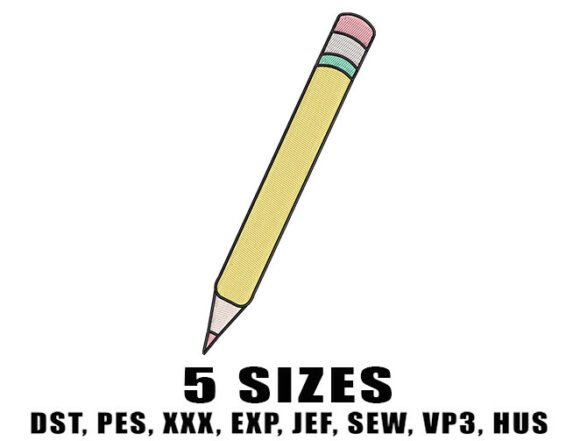
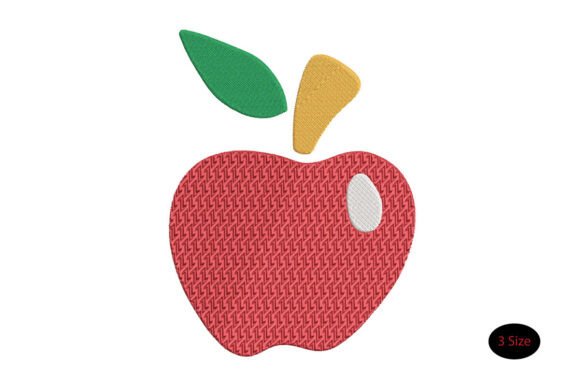
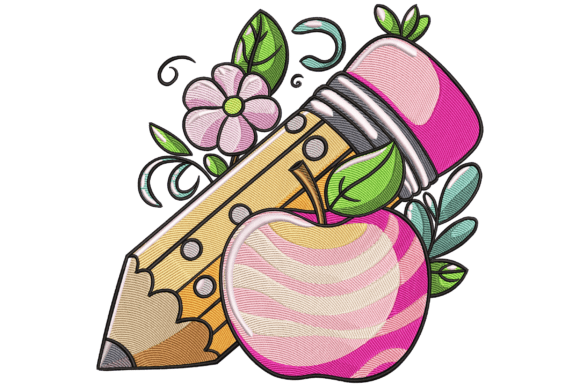
As an embroidery designer who spends countless hours digitizing files and testing stitches on everything from heavy denim to delicate silk, I approach every new design with a critical eye. When evaluating a digital asset for small business merchandise, I am not just looking for something "cute." I am looking for scalability, stitch efficiency, brand alignment, and commercial viability. Today, I am reviewing the Pencil and Apple machine embroidery design, categorized under School and Embroidery. This piece promises to give fabrics a charming update with a delightful aesthetic, embellishing items like t-shirts, towels, or home decor with a fun and quirky flair. But does it hold up when scaled down for branded patches, stitched onto staff uniforms, or printed as part of a broader brand identity?
First Impressions: Visual Personality and Brand Alignment
The title Pencil and Apple immediately evokes themes of education, creativity, learning, and classic Americana. Visually, this combination suggests a balance between structure (the pencil) and nature or reward (the apple). For a small business owner, this is a powerful visual shorthand. It feels friendly, professional, and slightly nostalgic without being overly childish. The description highlights a "quirky flair," which implies that the design likely avoids stiff, corporate rigidity in favor of something more approachable and handmade.
From a brand identity perspective, this design works exceptionally well for businesses that want to signal creativity and care. Whether you are running a boutique bakery, a creative studio, or a local florist, the imagery is versatile enough to suggest craftsmanship. It does not scream "corporate training seminar"; instead, it whispers "handmade product" and "attention to detail." This subtlety is crucial for building customer trust and recognition. When a customer sees this on a tote bag or an apron, they associate your brand with quality and charm rather than mass-produced indifference.
Real-World Business Applications
In my experience, the true test of an embroidery file is how it performs across various merchandise types. Here is how Pencil and Apple translates into real-world commercial use:
- Embroidered Patches: This design has strong potential as a standalone patch. The central focus of the pencil and apple allows for a clean circular or shield-shaped border. These patches can be sewn onto denim jackets, backpacks, or tool bags, serving as excellent small business merch that customers will proudly wear.
- Apron Embroidery: For bakeries, cafes, or craft workshops, this design is perfect for chest-area placement on canvas or cotton aprons. It reinforces the idea of "learning through doing" or "crafted with care." The playful nature of the design softens the utilitarian look of workwear.
- Cap Embroidery: If the stitch density is moderate, this could work well on the front panel of a structured cap. However, curvature can distort fine details, so careful testing is required here. A simplified version might be needed for smaller caps.
- Tote Bag Design: Canvas totes are a staple for Etsy branding and event merch. Placing Pencil and Apple on the side panel or center front adds a touch of personality. It elevates a basic tote into a branded asset that customers will reuse, extending your brand visibility.
- Product Packaging Accents: Beyond apparel, consider stitching this onto fabric labels attached to your products. It adds a premium, handmade presentation that justifies a higher price point and enhances buyer engagement.
Strategic Placement for Maximum Impact
When integrating this design into your custom apparel line, placement is key. Avoid cluttering the garment. A single, well-placed logo on the left chest of a work shirt or a centered mark on a towel creates a clean, professional look. For commercial embroidery projects involving bulk orders, consistency is vital. Ensure that the design scales correctly whether it is appearing on a child’s school bag or an adult’s promotional tote.
Design Risks and Technical Considerations
Not every design fits every application. As a designer, I must highlight where Pencil and Apple requires caution. Embroidery is a subtractive process in terms of negative space; if the details are too fine, they will disappear at small sizes.
Small Patch Sizes: If you plan to produce patches smaller than 2 inches, inspect the design closely. Fine outlines or tiny text within the pencil or apple graphic may merge together, creating a muddy blob. Test the design at its intended final size before committing to production.
Stitch Density and Fabric Texture: High stitch density can make fabric stiff and uncomfortable, especially on t-shirts or lightweight tees. Conversely, low density on textured fabrics like boucle or heavy fleece may result in poor coverage. Always check the stitch density of the file. If the design relies heavily on fill stitches, ensure your stabilizer choice matches the fabric weight to prevent puckering.
Curved Surfaces and Hoop Size: Embroidering on curved surfaces like cap fronts or sleeve cuffs introduces distortion. The design must be digitized with curve compensation. Additionally, confirm the hoop size requirements. If the design exceeds standard hoop dimensions, it may require multi-hooping, which increases production time and cost.
Thread Color Contrast: On dark uniforms, light thread colors may require an underlay that adds bulk. On white fabrics, dark threads provide crisp contrast. Evaluate your thread colors against your typical garment palette to ensure legibility and visual appeal.
Practical Designer Notes for Production
Before adding Pencil and Apple to your catalog, follow these essential steps to protect your reputation and ensure quality:
- Test in Black and White: Convert the design to monochrome to check the balance of positive and negative space. If it loses impact without color, the shape itself may need simplification.
- Create a Printable Mockup: Before stitching, create a printable mockup to show clients or visualize the design on different garments. This helps in assessing visual consistency across your design assets.
- Inspect Spacing and Outlines: Zoom in on the digitization. Are there any overlapping stitches? Is the spacing around the edges sufficient to prevent cutting issues during patch production?
- Confirm Commercial Licensing: This is non-negotiable. Verify that you have the right to use this digital embroidery file for commercial purposes. Unauthorized use can lead to severe legal consequences for your small business.
- Test on Real Fabric: Never rely solely on software simulations. Stitch the design on the actual fabric you intend to sell. Check for thread breaks, tension issues, and overall durability after washing.
- Compare Beside Other Assets: Place the design next to your other logos and tags. Does it fit the visual language of your brand? Does it feel like a cohesive part of your finished product ecosystem?
Conclusion: Is It Worth the Investment?
The Pencil and Apple design offers a charming, versatile option for small business owners looking to add a touch of whimsy and professionalism to their merchandise. Its association with learning and creativity makes it particularly effective for educational brands, creative studios, and lifestyle shops. However, success depends on proper technical execution. By carefully considering stitch density, fabric compatibility, and licensing, you can transform this simple motif into a powerful tool for brand building.
Remember, embroidery is tactile. Customers appreciate the texture and permanence of stitched designs. When done right, a well-executed Pencil and Apple patch or logo does more than decorate a garment; it tells a story about your brand’s values. Take the time to test, refine, and present your brand identity with confidence. Your customers will notice the difference, and their trust in your handmade products will grow with every stitch.