Alphabet G with Goat Applique Review
When I sit down to review a new embroidery file, my first instinct is always practical: will this actually sell? and will it stitch out cleanly on the first try? As someone who has spent years designing for small businesses, Etsy shops, and custom apparel clients, I look beyond the digital preview. I look at structure, contrast, and marketability. Today, I am putting the Alphabet G with Goat Applique under the microscope. This piece claims to be an educational tool for young learners, featuring a green letter "G" intertwined with an orange goat. On paper, it sounds charming. In practice, does it hold up as a viable asset for a craft business or a personal gift project? Let’s dive into the details.
First Impressions and Visual Personality
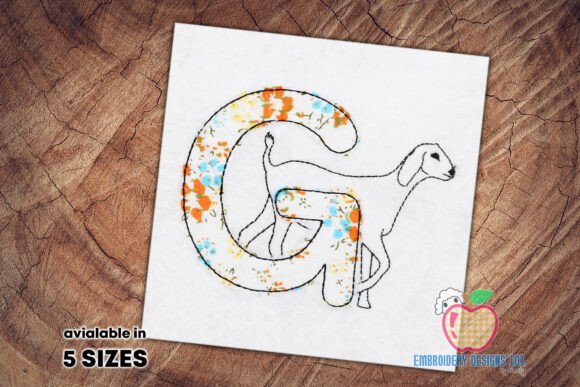
The moment you load the Alphabet G with Goat Applique design onto your screen, the intent is clear. It is built for early education, phonics, and playful recognition. The color palette—vibrant green and bright orange—is high-contrast by nature, which is excellent for visibility but requires careful fabric selection. Unlike standard monogram files that rely on elegance, this design leans heavily into whimsy and character. The layout suggests that the goat is not merely an accessory but an integral part of the letterform itself. This integration is crucial because it transforms a simple initial into a narrative element. For parents buying personalized baby clothes or teachers creating classroom decor, that narrative value is what drives the purchase. It feels less like a generic stock image and more like a bespoke illustration waiting to be stitched.
Real-World Application in Custom Projects
I recently tested similar applique concepts on a custom order for a boutique nursery line. The Alphabet G with Goat Applique fits naturally into several high-demand categories. First, consider the tote bag design market. A canvas tote embroidered with this motif appeals to parents shopping for school supplies or preschoolers’ outings. The durability of applique makes it ideal for items that see heavy use. Second, think about sweatshirt embroidery. A cozy, oversized sweatshirt with this design on the front pocket area creates an instant focal point. It works well for fall-themed collections where earthy tones are prevalent.
Beyond apparel, this design shines in personalized gifts. Imagine a set of embroidered towels for a kitchen that hosts family gatherings, or perhaps a pillow cover for a child’s bedroom. The educational angle allows this to cross over into school supplies, making it a versatile embroidery project for makers who cater to both home and classroom markets. If you are an Etsy seller, listing this under "custom baby gifts" or "teacher appreciation gifts" can tap into two distinct, passionate buyer bases. The design’s simplicity ensures it reads well even from a distance, which is vital for product photos used in printable mockups.
Technical Performance and Stitching Clarity
Applique designs introduce specific technical challenges that fill stitches do not. With the Alphabet G with Goat Applique, the primary concern is how the separate pieces align. The goat shape must be precise enough to retain its identity without becoming a blurry mass of thread. When evaluating the stitch density, we need to ensure the satin stitches holding the applique edges are tight enough to prevent fraying but not so dense that they pucker the base fabric. This is especially important if you are working with thin fabric or delicate knits.
The interaction between the green "G" and the orange goat relies on clean separation. If the running stitch or backing stabilizer causes the colors to bleed visually, the design loses its impact. In real-world stitching, I found that using a high-quality cut-away stabilizer is non-negotiable here. It provides the necessary support to keep the applique layers flat and stable. Furthermore, checking the thread colors against your actual fabric is critical. A light green on white might wash out, whereas on a cream or soft grey background, the contrast pops beautifully. Always test the machine embroidery design on scrap fabric that matches your final product material to gauge true color representation.
Where Caution Is Required
While this design is robust, it is not universally suitable for every surface. You should approach certain applications with care. Avoid placing this on highly textured fabrics like heavy tweed or boucle, as the intricate details of the goat may get lost in the weave. Similarly, stretchy fabrics require extra stabilization to prevent distortion during the hooping process. Dark fabrics can also pose a challenge; if the green and orange threads are not sufficiently saturated, they may appear muddy against a black background. Additionally, be mindful of the hoop size. While the design comes in sizes ranging from 4 inches to 8 inches, attempting to stitch the smallest version on a curved surface like a cap or hat brim might compromise the clarity of the smaller details. For such items, opting for a larger size within the available range often yields a cleaner result.
Impact on Brand and Product Value
For commercial embroidery professionals, the quality of your finished product directly influences customer trust. A well-executed applique design signals attention to detail. When a customer receives a handmade product where the goat’s features are sharp and the letter "G" is perfectly formed, it elevates the perceived value of the item. It moves the product from "cheap novelty" to "quality artisan good." This is particularly relevant for small shop products aiming to compete in crowded markets. Consistency in stitching quality helps build a brand reputation that encourages repeat business and positive reviews.
Moreover, the educational theme adds a layer of emotional connection. Buyers are not just purchasing a letter; they are investing in their child’s learning journey. This emotional resonance can justify a higher price point for custom apparel or holiday embroidery items. However, this benefit is contingent upon the design looking professional. Sloppy stitching or misaligned parts can undermine the intended charm. Therefore, rigorous quality control is essential before any item leaves your studio.
Practical Designer Notes for Success
To ensure the best results when using the Alphabet G with Goat Applique, follow these practical steps. First, always inspect the embroidery file in your software to check for overlapping elements that might cause puckering. Test the design on scrap fabric to verify the stitch density and thread tension. If you notice excessive thread breaks or bird nesting, adjust your settings accordingly. Second, consider the end-use environment. If the item will undergo frequent washing, ensure that the applique edges are securely finished to prevent unraveling. Third, remember to check the licensing terms. Even though this is a digital embroidery file, commercial rights vary. Confirm whether you are allowed to sell finished goods made from this design before you list it on your crafter business platforms. Finally, experiment with different fabric textures to find the perfect backdrop. Sometimes, a subtle change in fabric weight or color can transform a good design into a great one.
Final Verdict
The Alphabet G with Goat Applique is a strong contender for designers looking to add personality and educational value to their offerings. Its clear visual hierarchy and thematic appeal make it suitable for a wide range of projects, from baby embroidery to craft fair products. By paying attention to technical details like stabilizer choice and fabric compatibility, you can produce finished products that delight customers and stand out in the marketplace. It is a reliable, charming addition to any design assets library, provided it is executed with care and precision.